ByJohn A
Laser Treatment for Teeth: 7 Ways Modern Dental Lasers Improve Your Oral Health
Modern dentistry continues to evolve with technologies that improve patient comfort, treatment precision, and overall oral health outcomes. One of the most significant advancements is laser treatment for teeth. Dental lasers allow dentists to perform a wide variety of preventive, restorative, cosmetic, and periodontal procedures with greater accuracy while minimizing the impact on surrounding healthy tissue.
Laser dentistry has become an important part of comprehensive dental care because it supports minimally invasive treatment approaches. Depending on the procedure, dental lasers may reduce discomfort, improve healing, and enhance clinical precision. Although traditional techniques remain appropriate for many situations, laser technology offers additional treatment options that can benefit a wide range of patients.
This guide explains how dental lasers work, explores seven important ways laser treatment improves oral health, and highlights the many procedures that can be performed using modern laser dentistry.
What Is Laser Treatment for Teeth?
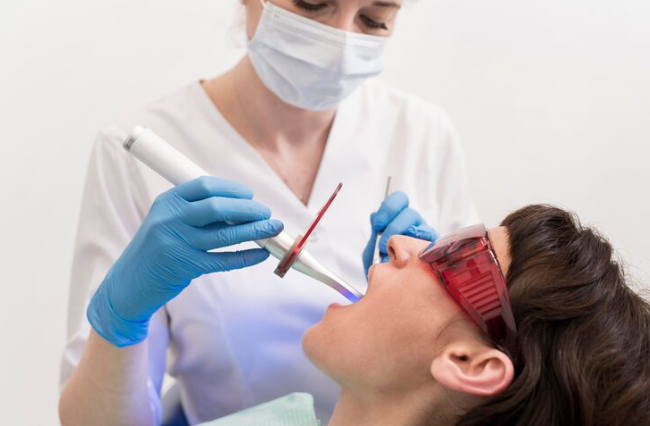
Laser treatment for teeth uses concentrated light energy to perform specific dental procedures involving hard tissue, soft tissue, or both. Different types of dental lasers are designed for different clinical applications, allowing dentists to treat various oral health conditions with precision.
Rather than replacing every conventional dental technique, lasers serve as an advanced tool that enhances treatment planning and patient care when clinically appropriate.
How Dental Laser Technology Works
Dental lasers generate focused beams of light that interact with targeted tissue. Depending on the type of laser and the procedure being performed, the light energy may remove damaged tissue, reshape gum tissue, reduce bacteria, or prepare teeth for restorative treatment.
This controlled approach allows dentists to perform many procedures while preserving as much healthy tissue as possible.
Types of Dental Lasers Used in Modern Dentistry
Modern dental practices use different laser systems based on the specific treatment being provided. Some lasers are designed for soft tissue procedures involving the gums, while others are suitable for treating tooth structure.
Common applications include:
- Soft tissue procedures
- Laser cavity treatment
- Gum therapy
- Cosmetic dentistry
- Bacterial reduction
- Preventive dental care
Your dentist selects the appropriate laser based on your individual treatment needs.
7 Ways Laser Treatment for Teeth Improves Oral Health
Dental lasers are used in many areas of modern dentistry because they support precision, efficiency, and patient comfort. Understanding their versatility helps patients appreciate why laser technology has become an important part of comprehensive dental care.
1. Laser Cavity Removal With Greater Precision
Dental lasers can remove small areas of tooth decay while preserving more healthy tooth structure compared to some conventional techniques. The focused energy allows dentists to target damaged areas with accuracy before placing the appropriate restoration.
Because every cavity is different, your dentist determines whether laser treatment is suitable after evaluating the affected tooth.
2. Soft Tissue Laser Dentistry for Gum Health
Soft tissue lasers are commonly used to treat gum tissue during various periodontal and cosmetic procedures. These lasers allow dentists to reshape or remove soft tissue with a high level of precision while minimizing disruption to surrounding healthy areas.
Soft tissue laser procedures may offer several benefits:
- Precise tissue management
- Reduced bleeding
- Improved visibility during treatment
- Support for comfortable healing
- Conservative treatment approach
The specific benefits vary depending on the type of procedure being performed.
3. Laser Gum Treatment for Periodontal Care
Laser technology is increasingly used as part of comprehensive periodontal therapy. Dentists may use lasers to reduce bacteria, remove diseased tissue, and improve access during gum treatment.
Patients experiencing signs of gum disease should receive a comprehensive evaluation before determining whether laser-assisted treatment is appropriate. Personalized treatment planning ensures that therapy addresses the severity of the condition while supporting long-term oral health.
If you are interested in preventive care that supports healthy gums before advanced treatment becomes necessary, scheduling deep teeth cleaning near Kent WA can help maintain healthy teeth and gums through regular professional care.
4. Laser Dentistry for Cosmetic Smile Enhancement
Dental lasers also play an important role in cosmetic dentistry. They can be used to reshape gum tissue and improve smile symmetry before or during cosmetic procedures. Careful tissue contouring allows the dentist to create a balanced smile while preserving healthy gum structure.
Laser-assisted cosmetic procedures are customized according to each patient’s facial appearance, gum anatomy, and overall smile goals. Personalized planning helps achieve natural-looking aesthetic improvements.
5. Improved Comfort During Dental Procedures
One reason many patients appreciate laser dentistry is the potential for increased comfort during certain treatments. Because laser energy works with great precision, some procedures involve less disruption to surrounding tissue compared to conventional techniques.
Depending on the procedure, laser dentistry may provide:
- Conservative tissue removal
- Reduced vibration
- Precise treatment
- Minimal impact on surrounding tissues
- Comfortable treatment experience
The level of comfort depends on the type of procedure and each patient’s individual needs.
6. Enhanced Healing and Reduced Bleeding
Laser technology supports precise soft tissue management, which may contribute to reduced bleeding during certain procedures. The focused energy also helps create clean treatment sites that support the body’s natural healing response.
Every patient’s healing process is unique, but laser-assisted procedures are designed to promote efficient treatment while preserving healthy tissue whenever possible.
7. Support for Minimally Invasive Dentistry
Minimally invasive dentistry focuses on preserving healthy tooth and gum structure while effectively treating oral health conditions. Dental lasers align well with this philosophy because they allow dentists to target only the affected tissues during many procedures.
Preserving healthy tissue whenever possible contributes to better long-term oral health while supporting more conservative treatment planning.
What Dental Procedures Can Be Performed With Lasers?
Laser dentistry is highly versatile and can be incorporated into numerous dental treatments. Rather than being limited to a single procedure, laser technology supports preventive, restorative, cosmetic, and periodontal care.
The exact procedures available depend on the technology used by the dental practice and the patient’s individual treatment needs.
Preventive Dental Treatments
Preventive care focuses on maintaining healthy teeth and gums before more complex dental problems develop. Laser technology can support preventive dentistry by assisting with bacterial reduction and soft tissue care when appropriate.
Common preventive applications include:
- Bacterial management
- Soft tissue evaluation
- Gum health support
- Oral hygiene reinforcement
- Preventive periodontal care
These services complement routine examinations and professional dental cleanings as part of comprehensive preventive care.
Restorative Procedures
Laser technology may also assist with selected restorative procedures involving tooth decay or soft tissue preparation. Dentists evaluate each case individually to determine whether laser treatment provides the most appropriate clinical approach.
Using advanced technology helps improve precision while supporting long-term restorative success.
Cosmetic Dentistry Applications
Laser technology supports a variety of cosmetic dental procedures by helping dentists reshape soft tissue with exceptional precision. Improving the appearance of the gum line can enhance smile symmetry and create a more balanced aesthetic before other cosmetic treatments are completed.
Laser-assisted cosmetic procedures are carefully planned to complement the patient’s facial features and natural tooth proportions. By preserving healthy tissue while making precise adjustments, laser dentistry contributes to attractive and natural-looking results.
Periodontal Therapy
Periodontal disease affects the gums and supporting structures around the teeth. When left untreated, it can lead to gum recession, bone loss, and tooth loss. Laser technology may be incorporated into periodontal treatment to assist with removing diseased tissue and reducing harmful bacteria while preserving healthy gum tissue whenever possible.
Patients diagnosed with gum disease receive individualized treatment recommendations based on the severity of their condition. In appropriate situations, laser surgery for gum disease may become part of a comprehensive periodontal treatment plan developed by the dental team.
Is Laser Treatment for Teeth Safe?
Modern dental lasers have been used in dentistry for many years and are considered safe when operated by trained dental professionals. Dentists receive specialized education to understand which type of laser is appropriate for different procedures and how to use the technology safely and effectively.
Every treatment begins with a thorough examination to determine whether laser dentistry is the most suitable option. Patient safety, clinical effectiveness, and long-term oral health always guide treatment recommendations.
Benefits of Modern Dental Lasers
Laser dentistry offers several potential advantages when compared with conventional techniques for selected procedures. The exact benefits vary depending on the treatment being performed and the patient’s oral health needs.
Potential advantages include:
- Precise treatment
- Conservative tissue preservation
- Reduced bleeding during soft tissue procedures
- Support for efficient healing
- Comfortable treatment experience
- Improved clinical accuracy
Your dentist will explain which benefits apply to your individual treatment plan during your consultation.
Who Is a Good Candidate?
Many patients may benefit from laser-assisted dental care, but candidacy depends on the specific procedure being considered. Factors such as oral health, gum condition, tooth structure, and overall treatment goals influence whether laser technology is recommended.
A comprehensive dental examination allows the dentist to determine the most effective treatment approach while ensuring that laser dentistry is appropriate for your unique needs.
Why Patients Choose Laser Dentistry at Implant West
Patients seeking modern dental care often appreciate practices that combine advanced technology with personalized treatment planning. Implant West integrates laser dentistry into comprehensive patient care whenever it provides clinical advantages and supports better treatment outcomes.
Each patient receives a detailed evaluation before treatment begins. Recommendations are based on oral health needs, treatment objectives, and the procedures most likely to achieve predictable long-term results.
Advanced Dental Technology
Advanced dental technology plays an important role in improving diagnosis, treatment planning, and procedural precision. Laser dentistry is one example of how modern equipment supports minimally invasive care while preserving healthy tooth and gum tissue whenever possible.
Using advanced technology also allows the dental team to customize treatment according to each patient’s individual condition rather than relying on a single treatment approach for every situation.
Personalized Treatment Planning
Every patient’s smile is unique. Personalized treatment planning ensures that laser dentistry is recommended only when it provides meaningful clinical benefits. Comprehensive evaluations help the dental team develop treatment plans that address both immediate concerns and long-term oral health.
Patients are encouraged to ask questions throughout the consultation process so they fully understand the available treatment options, expected outcomes, and recommended follow-up care.
Conclusion
Laser treatment for teeth has transformed many aspects of modern dentistry by providing precise, minimally invasive solutions for preventive, restorative, cosmetic, and periodontal care. From cavity treatment and gum therapy to cosmetic smile enhancement, dental lasers offer versatile applications that support patient comfort, preserve healthy tissue, and improve overall oral health. While not every procedure requires laser technology, it is an important tool that allows dentists to provide highly personalized care when clinically appropriate.
If you would like to learn whether laser dentistry is the right option for your oral health needs, scheduling a professional consultation is the best place to begin. To explore your treatment options and receive personalized recommendations, contact Implant Oral Surgery & Aesthetics and discover how advanced laser technology can support a healthier, more confident smile.
Frequently Asked Questions
1. What is laser treatment for teeth?
Laser treatment for teeth uses concentrated light energy to perform a variety of dental procedures involving teeth, gums, and other oral tissues. Different lasers are used depending on the specific treatment being performed.
2. Does laser dentistry hurt?
Many laser-assisted procedures are designed to improve patient comfort by treating targeted tissues with precision. The overall experience depends on the type of treatment and each patient’s individual needs.
3. Can lasers replace the dental drill?
In some situations, dental lasers can assist with cavity treatment and other restorative procedures. However, traditional instruments may still be necessary for certain cases depending on the condition of the tooth.
4. Is laser gum treatment safe?
Yes. Laser gum treatment is considered safe when performed by trained dental professionals using appropriate techniques and modern dental laser technology.
5. What procedures can dental lasers perform?
Dental lasers may be used for cavity treatment, gum therapy, soft tissue procedures, cosmetic smile enhancement, bacterial reduction, periodontal care, and other selected dental treatments based on the patient’s oral health needs.