ByJohn A
What Is a Ducted Air Cooler and Why Is It Ideal for Large Spaces?
Cooling large spaces efficiently requires systems that can distribute air evenly while maintaining energy efficiency. A ducted air cooler is designed specifically for this purpose, offering centralized cooling that reaches multiple areas through a network of ducts. This approach ensures consistent airflow, improved comfort, and optimized performance in expansive environments.
In modern cooling solutions, ducted systems are becoming increasingly preferred due to their ability to handle high cooling demands without excessive energy consumption. Understanding how these systems work and their advantages can help in making informed decisions for large-scale cooling requirements.
Understanding Ducted Air Coolers
A ducted air cooler is a centralized cooling system that uses ducts to distribute cooled air across different sections of a building. Instead of cooling a single space, it channels air through a network, ensuring widespread coverage and consistent temperature levels.
These systems are engineered to deliver high airflow volumes while maintaining efficiency. They are particularly effective in environments where multiple rooms or zones need simultaneous cooling.
How Ducted Cooling Systems Work
Ducted cooling systems operate by drawing warm air into the cooling unit, where it passes through cooling pads saturated with water. As the air moves through these pads, heat is reduced, and the cooled air is then pushed through ducts.
The ducts act as pathways that distribute the cooled air to various outlets across the building. This ensures that every corner receives a steady supply of fresh, cooled air without fluctuations.
In the middle upper part of your research, you can explore more about an ducted air cooler to understand available configurations and system designs.
Components of a Ducted Air Cooler
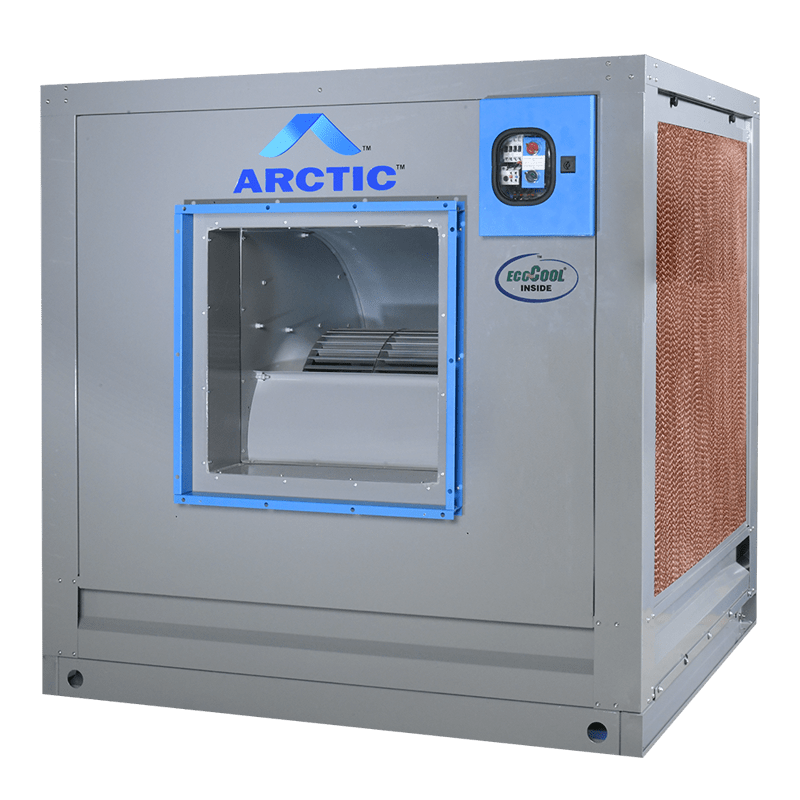
A ducted air cooler consists of several key components that work together to deliver efficient cooling:
- Cooling Unit: The central system where air is cooled using evaporative pads
- Fans or Blowers: Responsible for circulating air through the system
- Duct Network: Channels that distribute air to different areas
- Air Outlets and Vents: Points where cooled air is released into spaces
- Water Distribution System: Ensures consistent moisture supply to cooling pads
Each component plays a critical role in maintaining airflow efficiency and overall system performance.
Benefits of Using a Ducted Air Cooler
Ducted air coolers are designed to provide scalable and efficient cooling solutions for large environments. Their structure and functionality offer several advantages over traditional cooling systems.
These benefits make them suitable for both industrial and large residential applications where consistent cooling is essential.
Uniform Cooling Across Large Areas
One of the primary advantages of ducted air coolers is their ability to provide uniform cooling. The duct network ensures that air is evenly distributed, eliminating hotspots and uneven temperature zones.
This consistent airflow creates a balanced indoor environment, which is essential for maintaining comfort in large spaces. The system can be customized with multiple vents to ensure optimal coverage across all areas.
Energy Efficiency and Cost Control
Ducted air coolers are known for their energy-efficient operation. They consume significantly less power compared to conventional air conditioning systems, making them a cost-effective solution for large-scale cooling.
Their ability to use natural evaporation processes reduces dependency on high-energy components. This results in lower operational costs while maintaining effective cooling performance.
In the middle part of your exploration, visitingn ARCTIC can provide deeper insights into advanced cooling technologies and system innovations.
Where Ducted Air Coolers Are Used
Ducted air coolers are versatile and can be used in a wide range of applications. Their ability to handle large volumes of air makes them ideal for spaces that require continuous and widespread cooling.
These systems are particularly beneficial in environments where traditional cooling methods may not be sufficient or cost-effective.
Industrial and Commercial Spaces
In industrial and commercial settings, maintaining proper airflow and temperature control is crucial. Ducted air coolers are widely used in:
- Manufacturing units
- Warehouses
- Office buildings
- Retail spaces
These environments often have large open areas that require consistent cooling, making ducted systems an ideal choice.
Large Residential Installations
Ducted air coolers are also suitable for large residential spaces such as villas and multi-level homes. They provide centralized cooling, reducing the need for multiple standalone units.
This not only improves efficiency but also enhances the overall aesthetics of the space by minimizing visible equipment.
Factors to Consider Before Installation
Before installing a ducted air cooler, it is important to evaluate certain factors to ensure optimal performance and long-term reliability. Proper planning and design play a key role in maximizing the efficiency of the system.
Understanding these considerations helps in selecting the right configuration for specific cooling needs.
Space Layout and Duct Planning
The layout of the space significantly influences the effectiveness of a ducted air cooler. Proper duct planning ensures that air reaches all areas without obstruction.
Key aspects to consider include:
- Placement of ducts for maximum coverage
- Number and position of air outlets
- Airflow direction and distribution patterns
A well-designed duct system enhances efficiency and prevents energy loss.
Maintenance and Accessibility
Regular maintenance is essential to keep the system functioning efficiently. Easy access to components such as cooling pads, fans, and ducts ensures smooth servicing.
Important maintenance considerations include:
- Cleaning and replacing cooling pads
- Inspecting duct pathways for blockages
- Ensuring proper water distribution
Accessible system design reduces downtime and extends the lifespan of the cooling unit.
For installation guidance or system inquiries, you can Get in Touch with experts who can assist with tailored solutions.
FAQs
1. What is the main advantage of a ducted air cooler?
The main advantage is its ability to provide uniform cooling across large areas through a centralized system, ensuring consistent airflow and temperature control.
2. Is a ducted air cooler energy efficient?
Yes, ducted air coolers are highly energy efficient as they use evaporative cooling processes, which consume less electricity compared to traditional air conditioning systems.
3. Can ducted air coolers be used in homes?
Yes, they are suitable for large residential spaces such as villas and multi-level homes where centralized cooling is beneficial.
4. How often should a ducted air cooler be maintained?
Maintenance frequency depends on usage, but regular inspection of cooling pads, ducts, and water systems is recommended to ensure optimal performance.
5. Are ducted air coolers suitable for all climates?
They perform best in dry and moderately humid climates where evaporative cooling can be most effective.
Conclusion
Ducted air coolers offer a practical and efficient solution for cooling large spaces. Their ability to distribute air evenly through a network of ducts ensures consistent comfort across multiple areas. With energy-efficient operation and scalable design, they are well-suited for both industrial and residential applications.
By understanding how these systems work and considering factors such as layout, maintenance, and installation planning, it becomes easier to maximize their benefits. Choosing the right ducted cooling system can significantly improve airflow management while maintaining cost efficiency and long-term performance.