ByJohn A
Dust Chamber Testing Best Practices for Consistent Results
Achieving consistent, reliable results from dust chamber testing depends heavily on disciplined technique and attention to detail throughout the process. This guide compiles best practices worth building into any lab’s standard testing protocol.
Establishing Clear Standard Operating Procedures
Documenting a clear, step-by-step procedure for specimen preparation, chamber operation, and post-test inspection helps ensure consistency across different technicians and testing sessions over time.
See Also: The Benefits of Artificial Intelligence in Business Forecasting
Calibrating Equipment Regularly
Regular calibration of dust concentration sensors, pressure systems, and airflow monitoring equipment helps catch gradual equipment drift before it compromises test validity.
Training Technicians Thoroughly
Investing in comprehensive technician training, rather than relying solely on written procedures, builds the practical judgment needed to catch subtle issues that documentation alone can’t fully address.
Maintaining Detailed Test Records
Thorough documentation of test conditions, monitoring checks, and specimen findings supports both troubleshooting and credibility if results are ever questioned by clients or regulatory reviewers.
Conducting Regular Chamber Maintenance
Scheduled cleaning and maintenance of dust circulation and vacuum systems prevents residue buildup and mechanical wear from gradually affecting testing consistency over time.
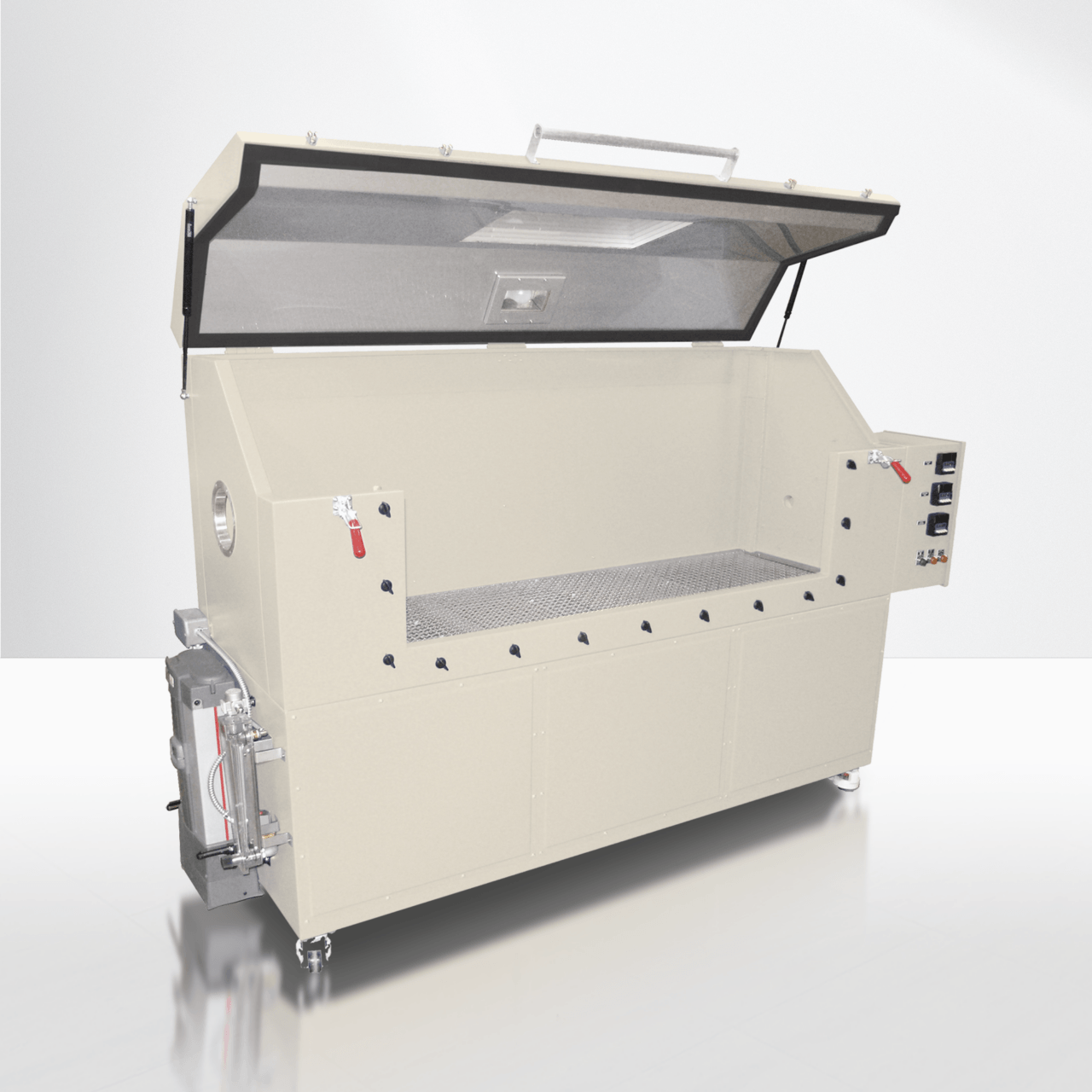
For a closer look at chamber equipment designed to support these best practices, LIB Industry dust chamber testing offers additional reference material worth reviewing.
Building in Quality Control Checks
Periodically running control tests with known outcomes helps verify the entire testing system, from chamber to procedure to technician execution, continues functioning as expected over time.
Learning From Unexpected Results
When results don’t match expectations, treating this as an opportunity to review procedure and equipment condition, rather than simply repeating the test, often reveals valuable insights that improve overall testing reliability.
Frequently Asked Questions
How often should dust chamber equipment be calibrated? This depends on manufacturer guidance and usage intensity, but regular scheduled calibration is essential for maintaining long-term testing reliability.
Why is technician training as important as written procedures? Hands-on judgment helps technicians recognize subtle issues or irregularities that standard procedures alone might not fully address.
What’s the value of running control tests periodically? They help verify the entire testing system continues performing as expected, catching gradual drift or issues before they affect real product testing.
Final Thoughts
Consistent, reliable dust chamber testing comes down to disciplined procedure, regular equipment maintenance, and thorough technician training working together. Labs that prioritize these best practices consistently produce more credible, dependable results.