ByJohn A
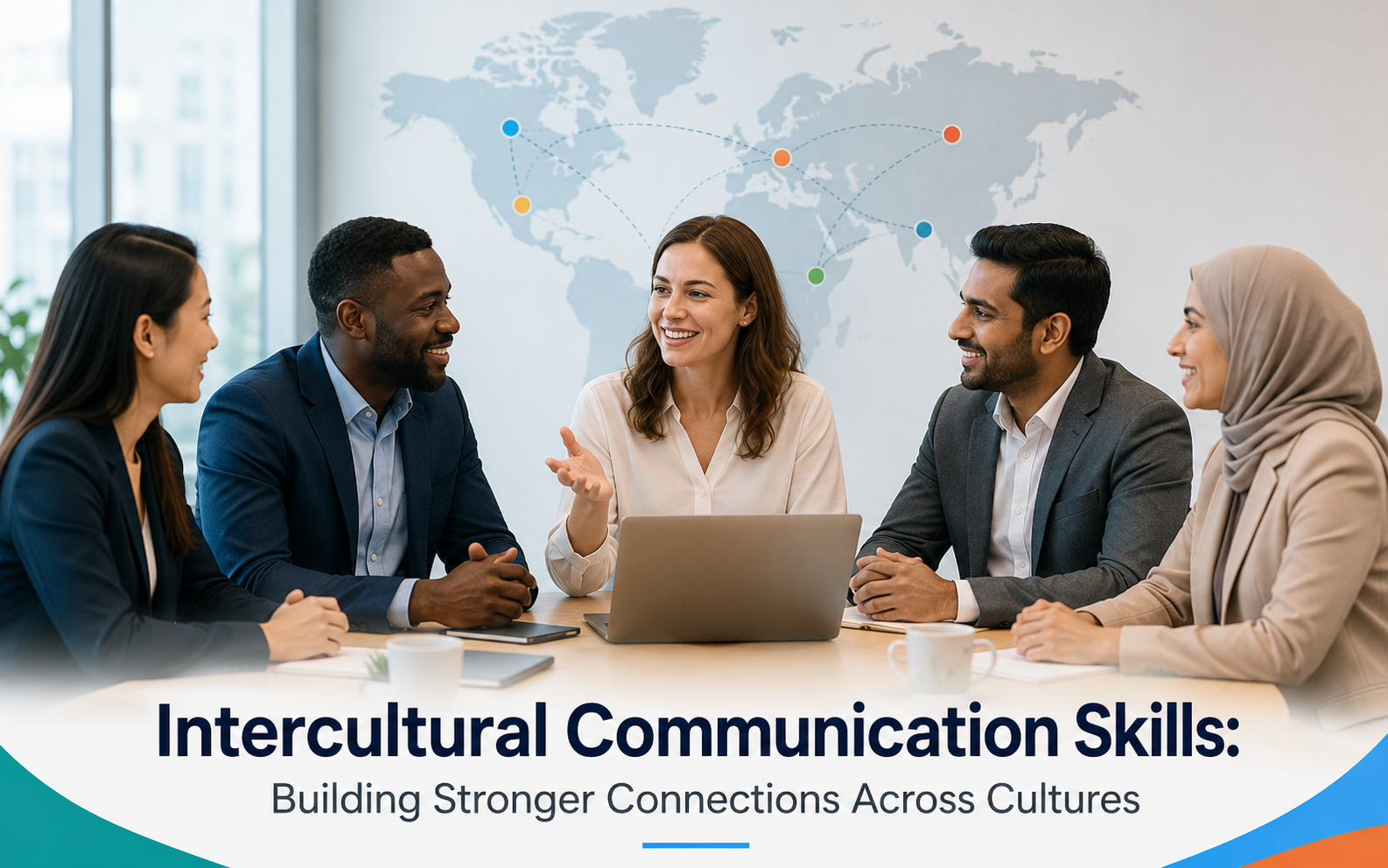
Intercultural Communication Skills: Building Stronger Connections Across Cultures
High cooperation between people of different cultures is needed in organizations. Teams with people that are different, in terms of background, experience, and perspective (in fact everything) are part of a team. This is when the skill of cross-cultural communication comes in − having the appropriate skills will help build trust, reduce misunderstandings, and enter into a productive relationship.
Effective cross-cultural communication enables people to work together and respect each other, fostering inclusion.
Understanding Cultural Differences
Every single culture has its communication styles, traditions, and obligations. Differences in body language, tone of voice are very subtle, and if not understood, can lead to confusion.
Strong intercultural communication skills enable people to observe these differences without making presumptions. Rather than judging unfamiliar behaviors they learn to question, listen deeply, and appreciate the perspective of others.
See also: Leadership Development: Building Strong Leaders for Lasting Business Success
The Habits of Effective Communicators
It takes work to establish and maintain true interpersonal relationships across ethnicity and cultural differences. Many of the people who interact widely in multicultural environments often have a half dozen common habits.
These include:
- Listening with patience
- Respecting different perspectives
- Speaking clearly and simply
- Avoiding stereotypes
- Remaining open to feedback
Such practices reinforce teamwork, while doubling up on positive interactions.
Learning Through Everyday Experiences
The best way to improve communication is by the process of frequent interaction with persons from different backgrounds. Learning occurs through conversations, collaborative projects, travel, mentoring, and multicultural workplace.
Many professionals look for opportunities for developing strong intercultural communication skills, and seeking opportunities in a multi-national work environment. Every interaction increases your confidence to work with diverse teams.
Supporting Better Teamwork
Cross cultural communication in organizations enhances performance. Having interpersonal communication skills will decrease the number of misunderstandings at work, boost cooperation, and enhance a more respectful discourse.
Workers feel comfortable sharing input and working together towards aligning objectives because they know who will listen. It forms teams that work on more complex problems.
Normally, diversity in the workplace is talking about bringing more ideas and diverse creative solutions to solve problems that are governing today ‘s workspace. When trust exists, honesty breeds it, which makes collaborating on challenging projects easier. When organizations take collaboration to the next level, they can be agile and resilient–better positioning themselves for long-lasting success in an ever-evolving business world.
Benefits to Individuals and Businesses in the Long Run
Having effective communication skills is a long-term investment: at personal or professional level.
Some key benefits include:
- Better teamwork
- Stronger professional relationships
- Improved conflict resolution
- Greater cultural awareness
- Increased career opportunities
Culturally-aware organizations foster workplaces in which all employees perform their best.
Final Thoughts
Intercultural competence is critical to creating effective relationships in culturally different workplaces and communities. Through active listening, with open mindedness to others views, and explaining clearly, you can make better ties in business, as well as in your personal lives.
Developing strong intercultural communication skills will make people flexible, confident, and more effective communicators than before through years of practice. Such skills not only enhance teaming but also build individual and organizational capacity for success in a world that is becoming more interconnected.